 MagicaLCore
 MagicaLCore
 EDU
 LeafBe
 Ornavia
November · Southern hemisphere
Birds to see in November in the southern hemisphere
It's full spring: many birds are breeding, males show off their colors and sing more than ever, and the birds that come to spend the summer here arrive from the north.


-
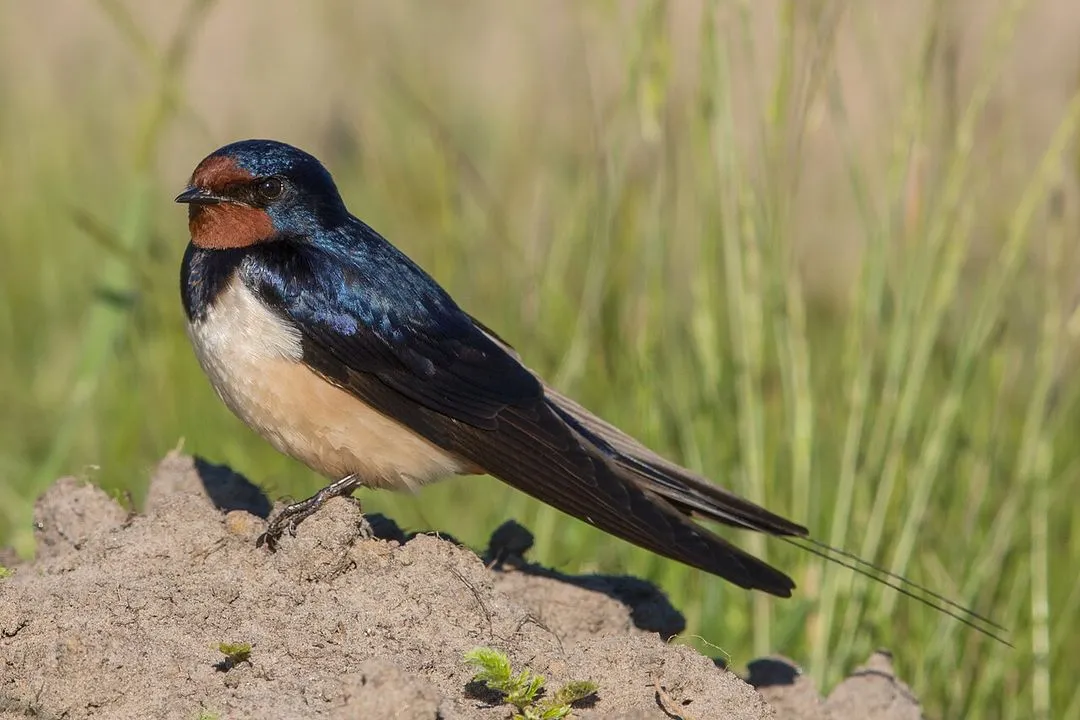
Photo: Andreas Trepte · CC BY-SA 2.5 Fields · Wetland
Barn swallow
Hirundo rustica
Glossy blue back, reddish forehead and throat, and a tail with two long streamers.
By November they have arrived from the northern hemisphere in South Africa, Argentina and other southern countries, where they spend the summer without breeding. At dusk thousands gather in reed beds to roost.
-
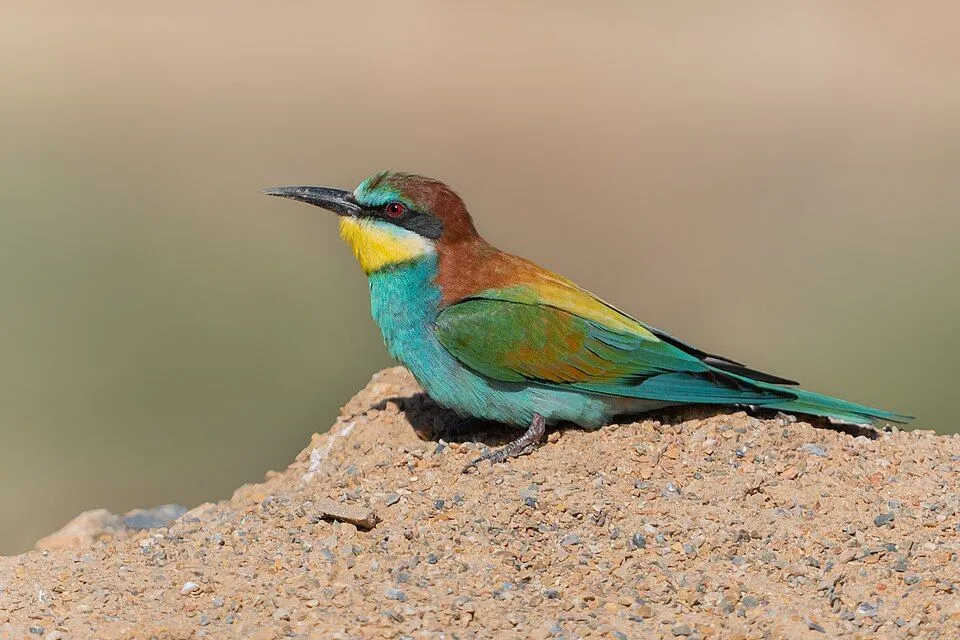
Photo: El Golli Mohamed · CC BY-SA 4.0 Fields
European bee-eater
Merops apiaster
Yellow, turquoise and chestnut, with a black mask and a long, curved bill. Its call is a rolling "prrrup" you hear as it flies high.
In southern Africa there are two groups: some arrive from Europe to spend the southern summer and others breed right there, in sandy banks.
-
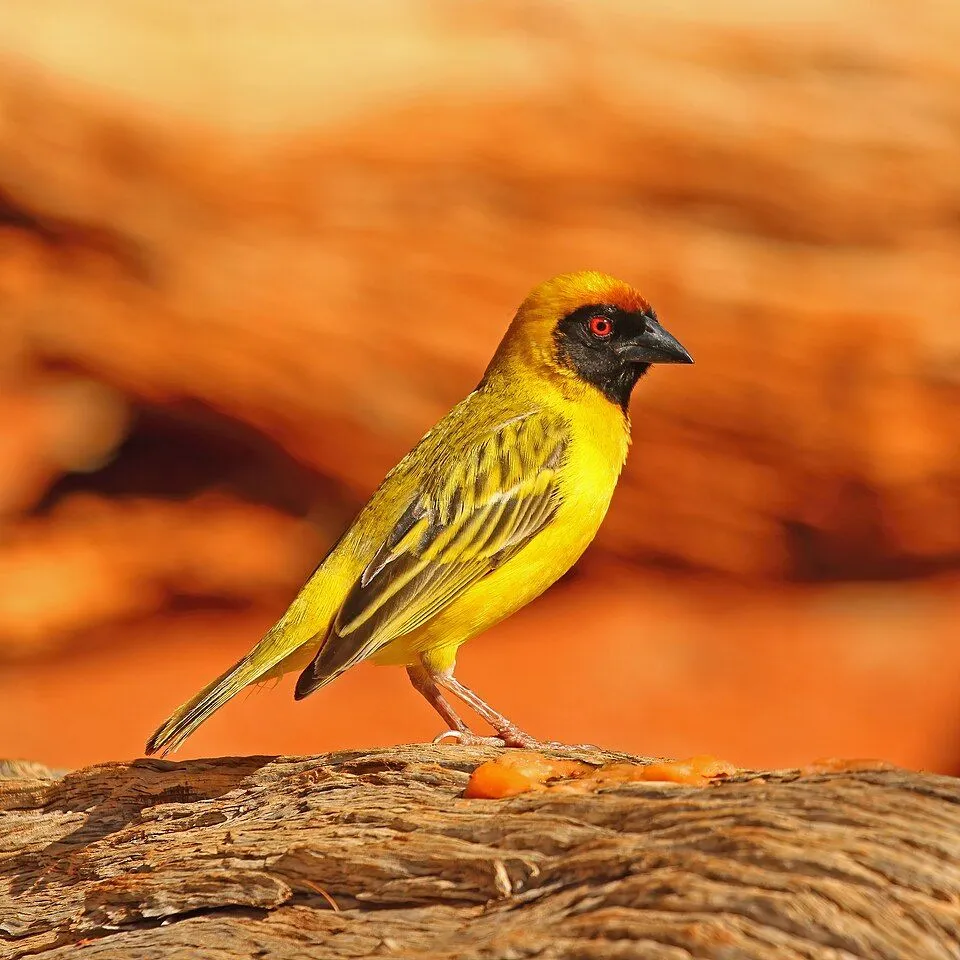
Photo: Charles J. Sharp · CC BY-SA 4.0 Garden · Wetland
Southern masked weaver
Ploceus velatus
The male is bright yellow with a black mask and a red eye; the female is duller.
In spring males weave hanging grass nests on branches over water, and pull them apart and start again if they don't win over the female.
-
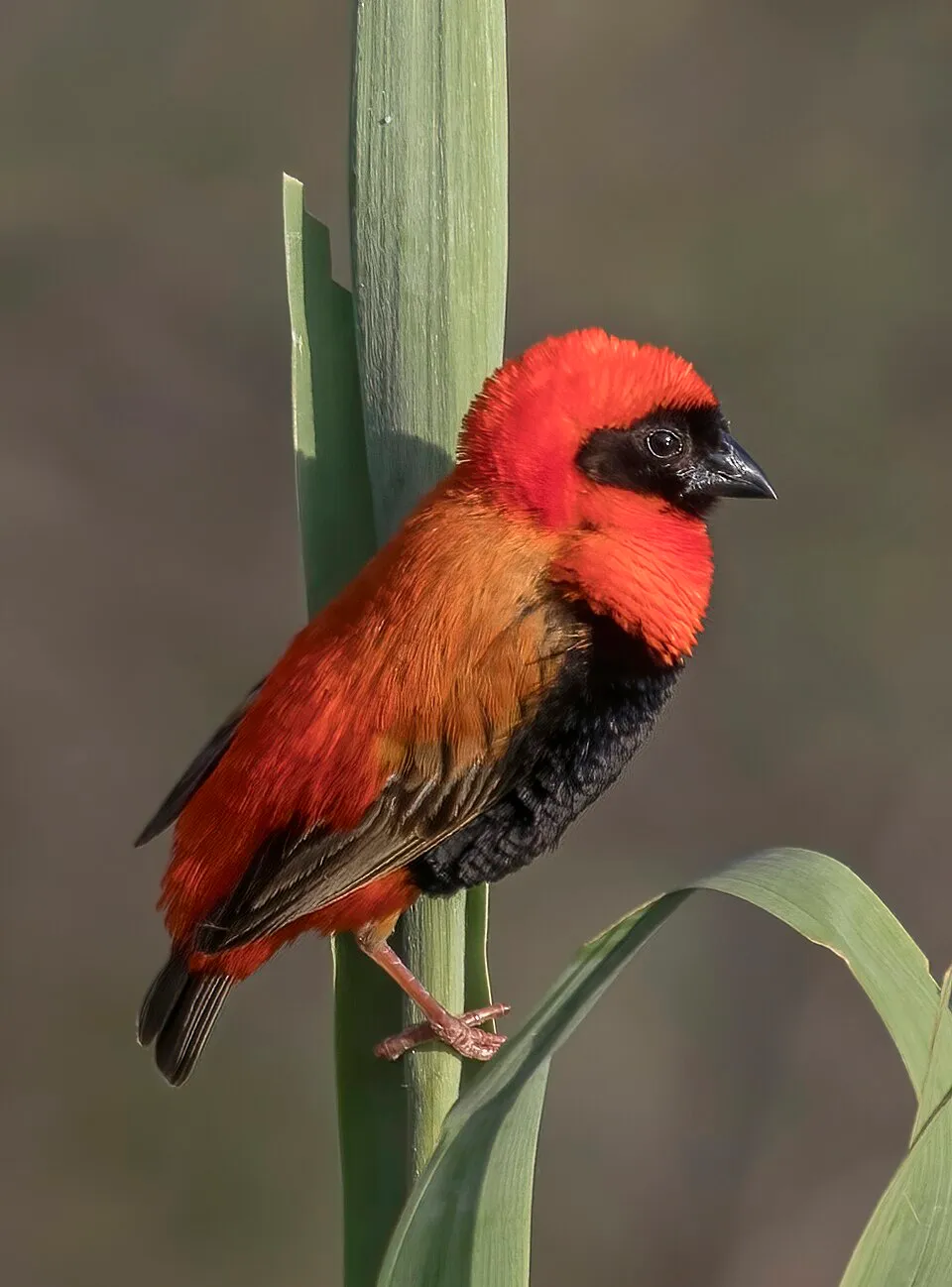
Photo: Charles J. Sharp · CC BY-SA 4.0 Wetland · Fields
Southern red bishop
Euplectes orix
In the breeding season the male is bright red and black; outside it, brown like a sparrow.
Between October and January males puff up their feathers on top of the reeds to show off. They're hard to miss.
-
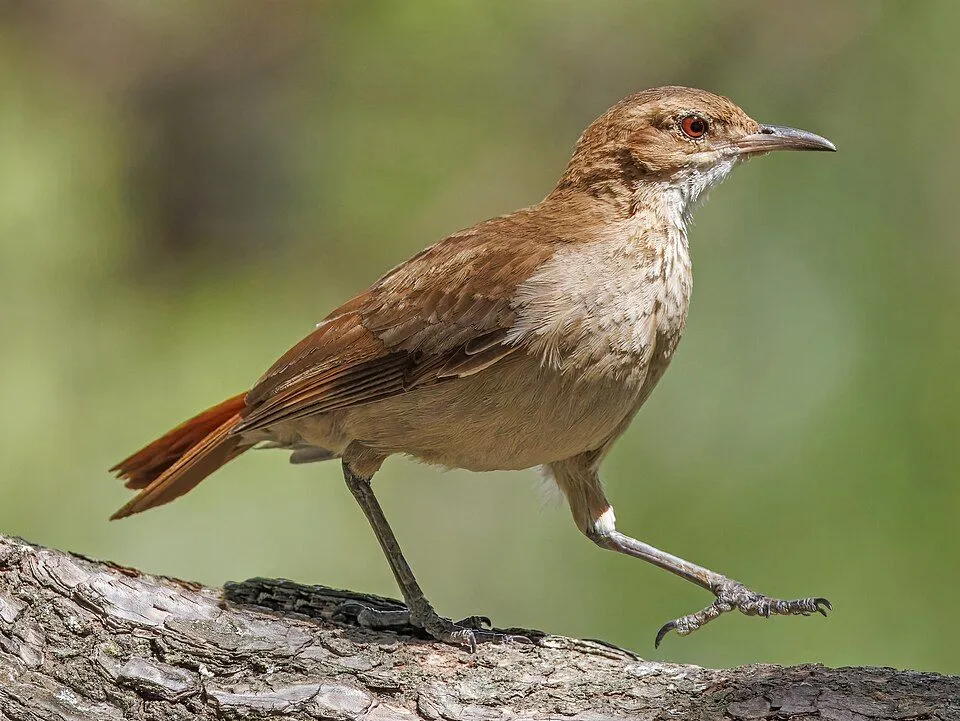
Photo: Charles J. Sharp · CC BY-SA 4.0 Park · Fields
Rufous hornero
Furnarius rufus
Reddish brown above and pale below. It walks on the ground with a firm stride and sings in a duet with its mate.
It's Argentina's national bird. In spring it builds its oven-shaped mud nest on posts, branches and street lamps.
-
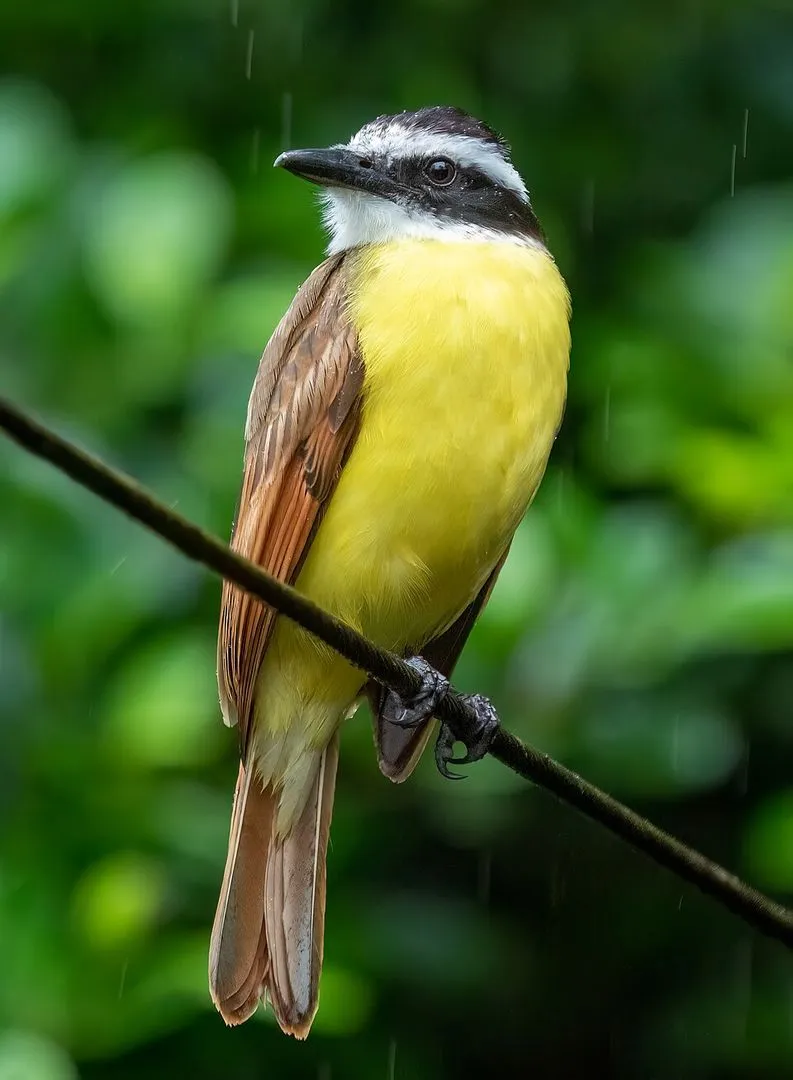
Photo: Rhododendrites · CC BY-SA 4.0 Park · Wetland
Great kiskadee
Pitangus sulphuratus
Bright yellow belly, a black head with a white eyebrow and a strong black bill. Its call sounds like "kis-ka-dee".
It's very common in parks and near water, and sometimes plunges into the water after small fish, like a kingfisher.
-
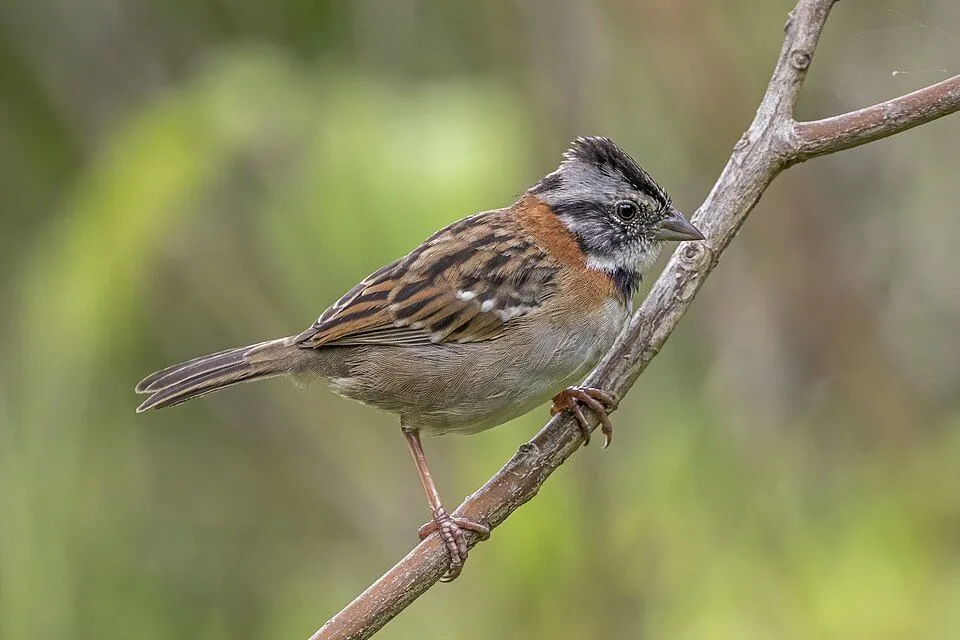
Photo: Charles J. Sharp · CC BY-SA 4.0 Garden · Park
Rufous-collared sparrow
Zonotrichia capensis
A sparrow with a small crest, a grey head with black stripes and a cinnamon collar.
Its short, whistled song is heard in cities and fields across most of South America, and more than ever in spring.
-
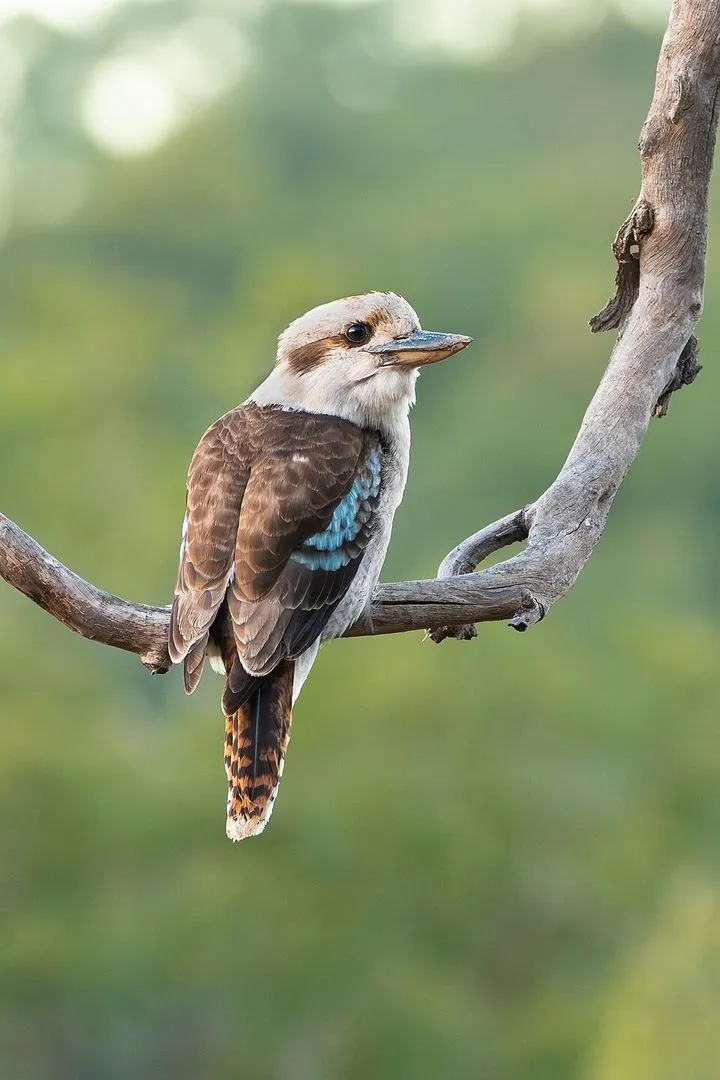
Photo: Paulweberphoto · CC BY 4.0 Park · Woodland
Laughing kookaburra
Dacelo novaeguineae
A large brown and white kingfisher with a dark eye mask and a huge bill.
Its chorus of "laughter" rings out at dawn and dusk in eastern Australia. In spring it nests in tree hollows.
-
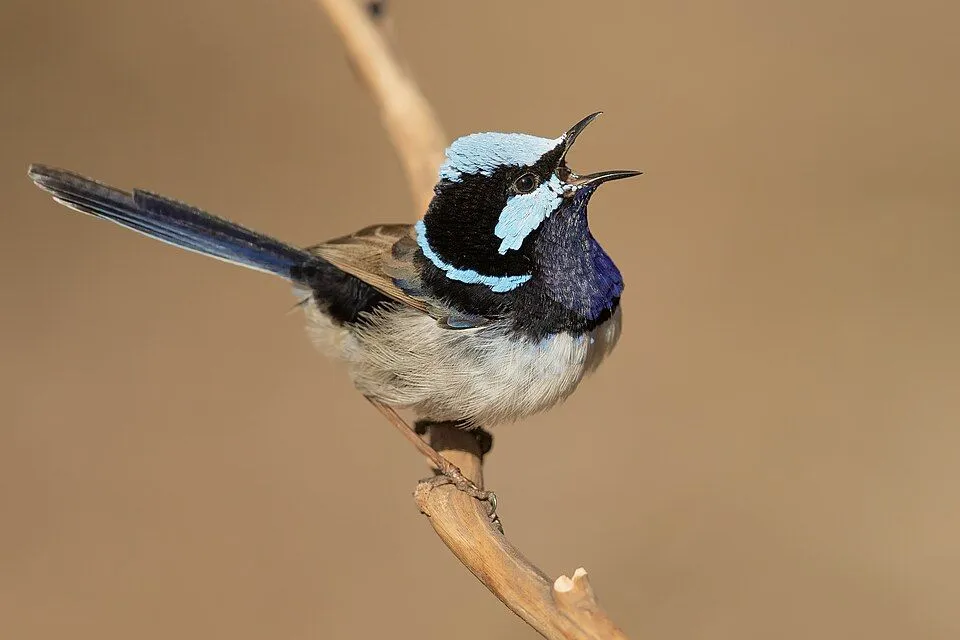
Photo: JJ Harrison · CC BY-SA 4.0 Garden · Park
Superb fairywren
Malurus cyaneus
The breeding male is electric blue and black, with a long, cocked tail; females are brown.
It lives in family groups in gardens and scrub in south-eastern Australia, and in spring males show their brightest blue.
-
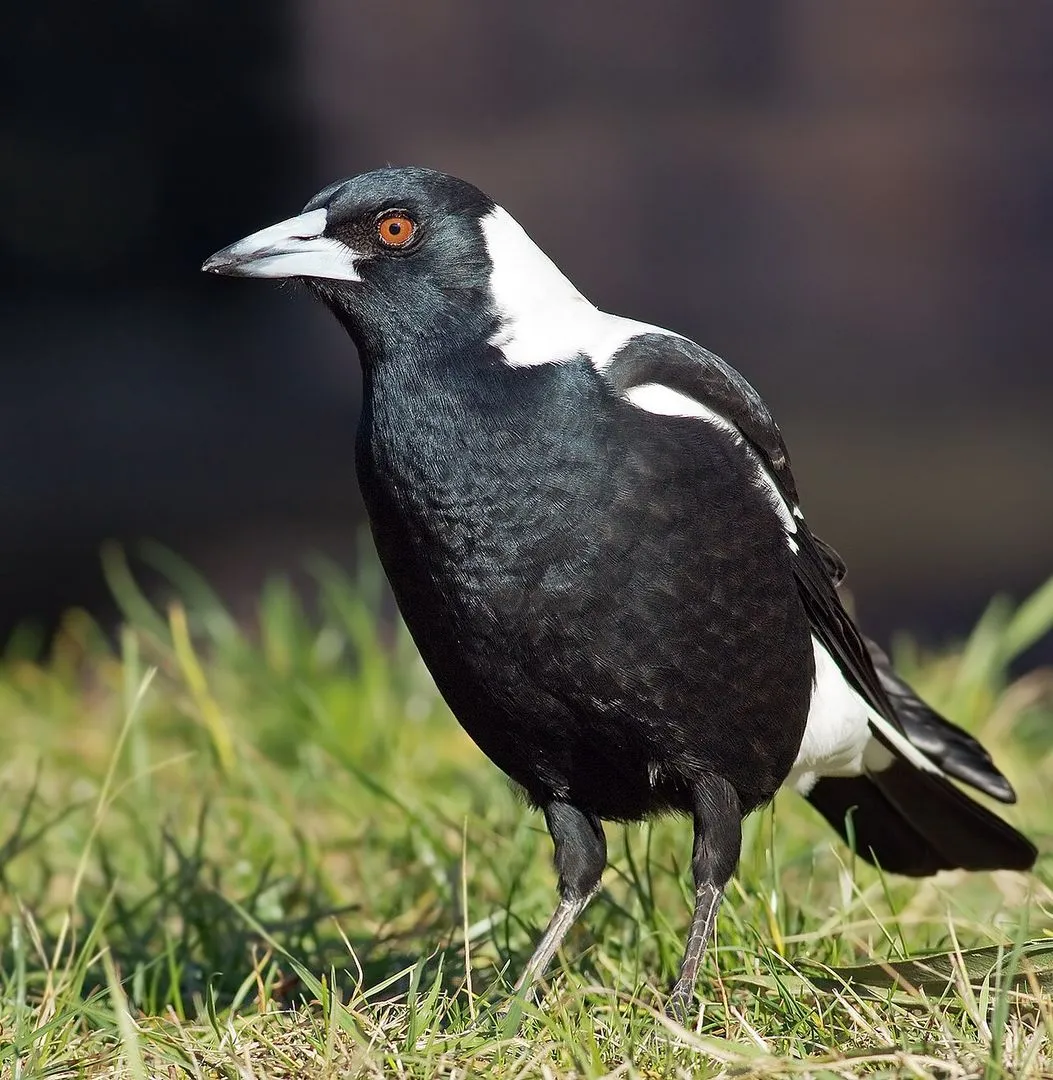
Photo: JJ Harrison · CC BY-SA 3.0 Park · Fields
Australian magpie
Gymnorhina tibicen
Black and white, with reddish eyes and a flute-like, very musical song.
Between August and November some males defend the nest by swooping at people who pass close by. It's best to take a detour and keep away from the nest.
-
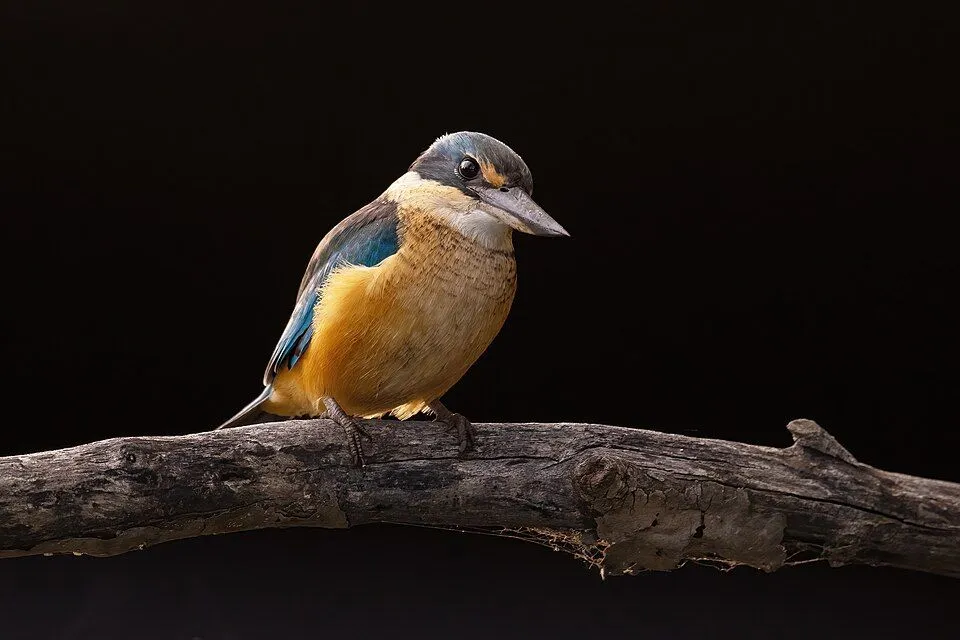
Photo: JJ Harrison · CC BY-SA 3.0 Woodland · Wetland
Sacred kingfisher
Todiramphus sanctus
Small, turquoise above and cream below, with a pale collar.
In spring it arrives in southern Australia from the north to breed. It hunts lizards and insects more than fish.
-
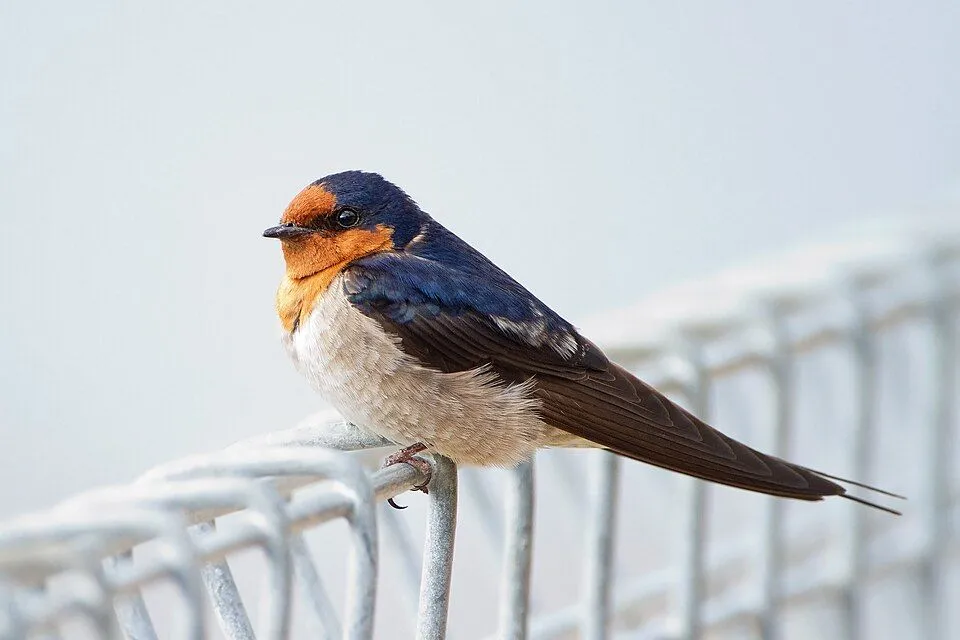
Photo: JJ Harrison · CC BY-SA 3.0 Fields · Wetland
Welcome swallow
Hirundo neoxena
Metallic blue, with a reddish forehead and throat and no dark band on the breast.
It breeds in spring under eaves, bridges and sheds in Australia and New Zealand.
-
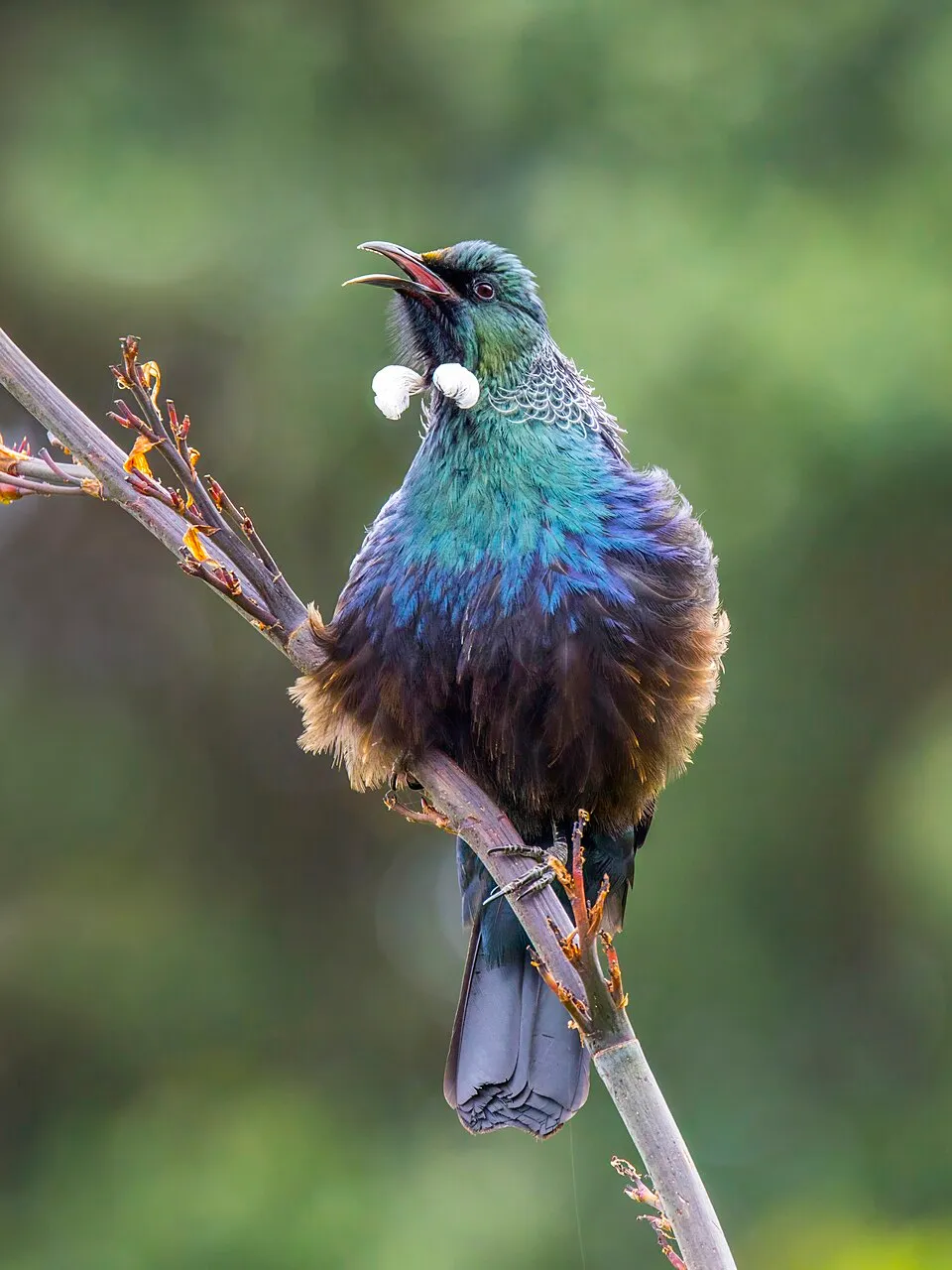
Photo: Charles J. Sharp · CC BY-SA 4.0 Garden · Woodland
Tūī
Prosthemadera novaeseelandiae
It looks black, but it shines green and blue, and has two white tufts at the throat.
In New Zealand it sings in spring, mixing notes, clicks and sounds the human ear can barely catch. It loves flower nectar.


Which one is in front of you?
Take a photo or let Ornavia listen to its song. It shows you the five birds that look and sound most alike, each with its photo, so you can compare and decide. It works offline, even out in the field.
Ornavia helps you get to know birds, but it can make mistakes. Always watch birds without disturbing them, especially near their nests, and don't call them with recordings.