 MagicaLCore
 MagicaLCore
 EDU
 LeafBe
 Ornavia
November · Northern hemisphere
Birds to see in November in the northern hemisphere
Trees lose their leaves, the birds that spend the winter here arrive and feeders fill up. It's a good time to see them: there's less foliage and many come close to gardens and parks looking for food.


-
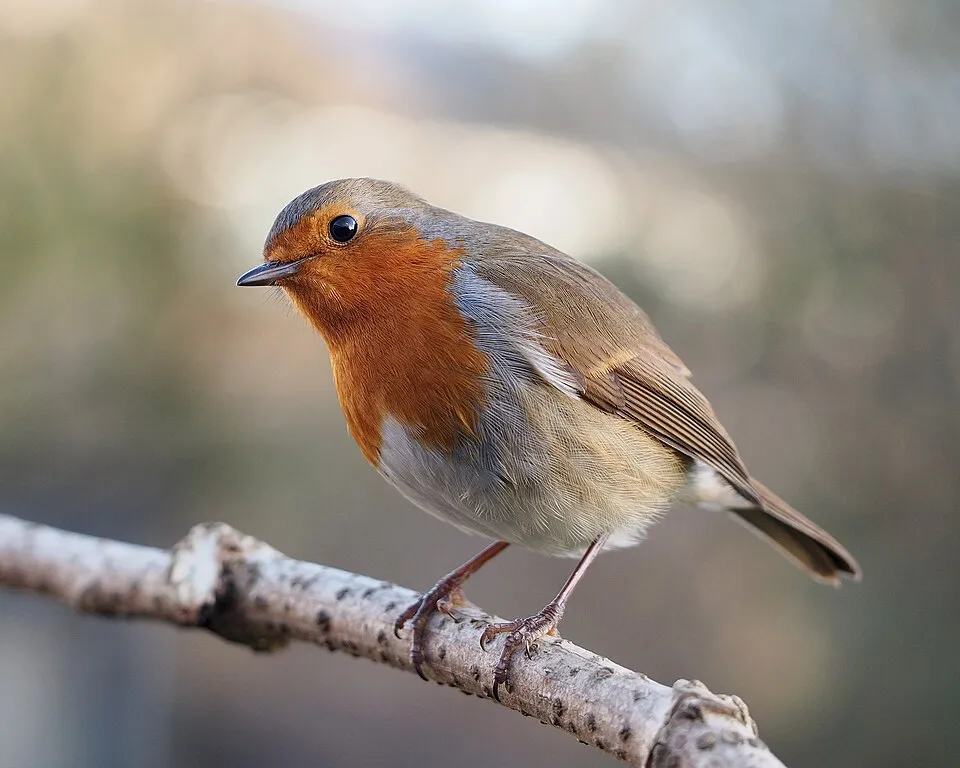
Photo: Francis C. Franklin · CC BY-SA 3.0 Garden · Park · Woodland
European robin
Erithacus rubecula
Small and round, with an orange face and breast and a brown back. It sings in autumn and winter too, with a soft, slightly wistful song.
In winter many robins from the north come to Iberia and southern Europe. If you turn the soil in the garden, it will come very close to see what turns up.
-
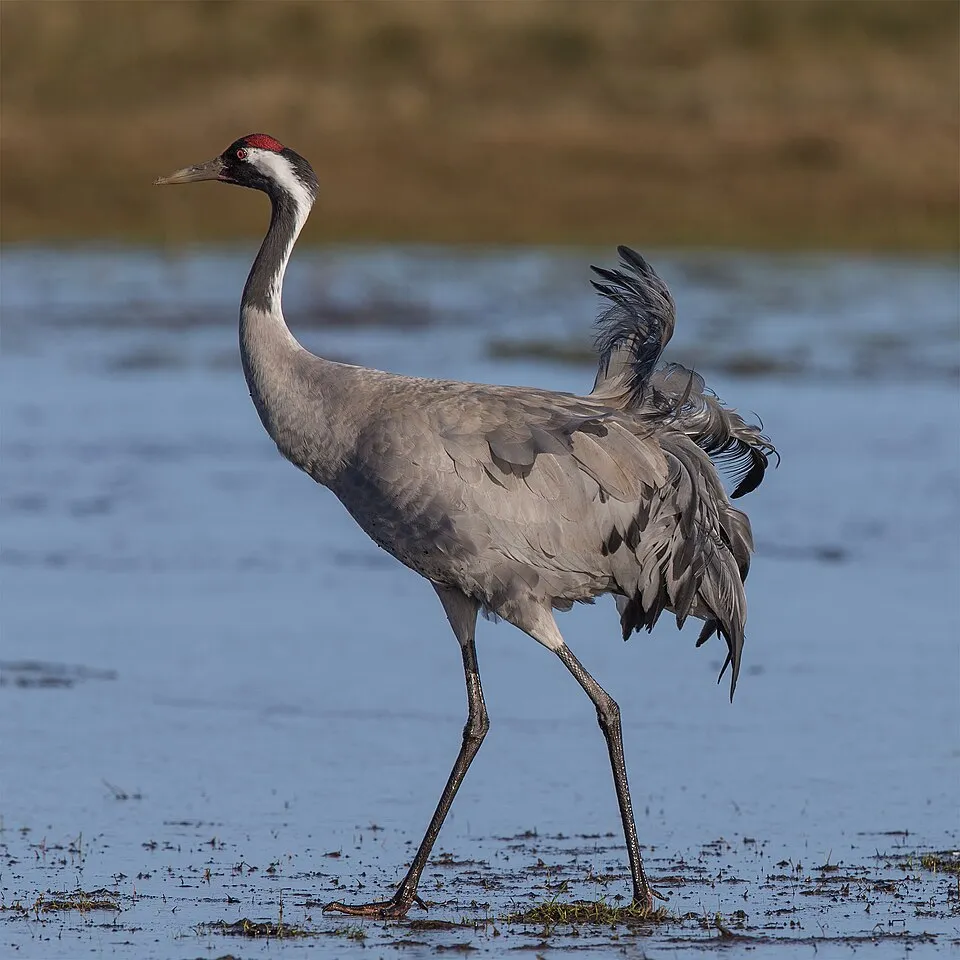
Photo: Andreas Trepte · CC BY-SA 2.5 Wetland · Fields
Common crane
Grus grus
Very large and grey, with a black and white neck and a red patch on the head. It flies in a V with its neck stretched out, and its trumpeting carries a long way.
In November thousands pass on their way to their wintering grounds in Spain, France, North Africa and the Middle East. Gallocanta lagoon, in Aragon, is one of the best places to see them.
-
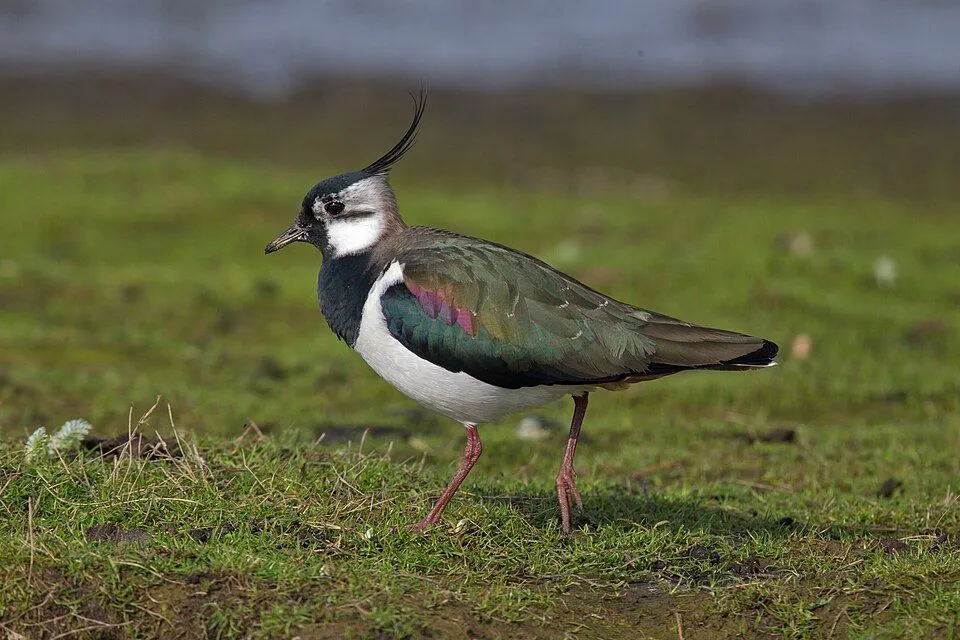
Photo: Andreas Trepte · CC BY-SA 2.5 Fields · Wetland
Northern lapwing
Vanellus vanellus
Black and white with a green sheen and a thin crest swept back. It flies on broad, rounded wings with an irregular flap.
In autumn and winter it gathers in flocks on ploughed fields and wet meadows, especially when lapwings from northern Europe arrive.
-
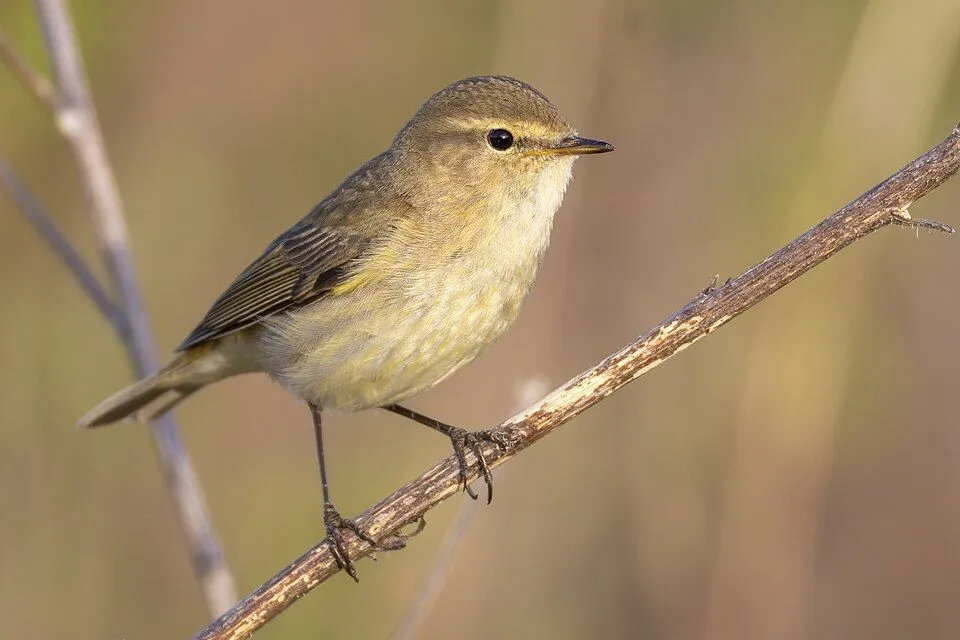
Photo: Alexis Lours · CC BY 4.0 Garden · Park
Common chiffchaff
Phylloscopus collybita
Small and olive-brown, with a pale eyebrow and dark legs. It keeps dipping its tail and its call is a soft "hweet".
Many spend the winter in southern Europe and North Africa. In November you see them in gardens, hedges and along rivers, looking for insects among the branches.
-
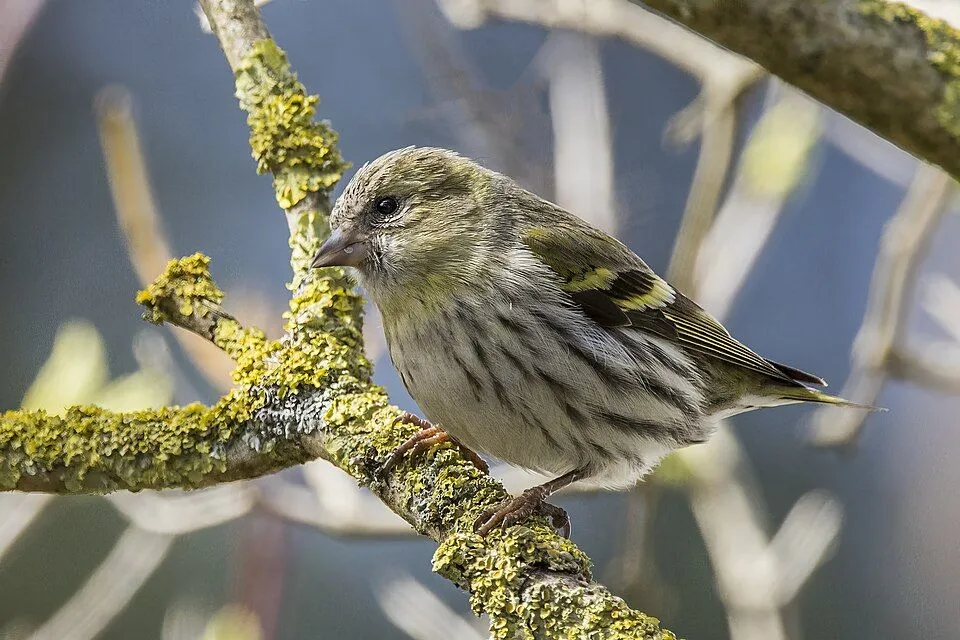
Photo: Charles J. Sharp · CC BY-SA 4.0 Woodland · Garden
Eurasian siskin
Spinus spinus
Small, yellow-green with dark streaks and a fine bill. The male has a black cap.
In winter it moves in flocks through alders and birches and visits feeders with sunflower seeds. Some years they arrive in huge numbers, others hardly at all.
-
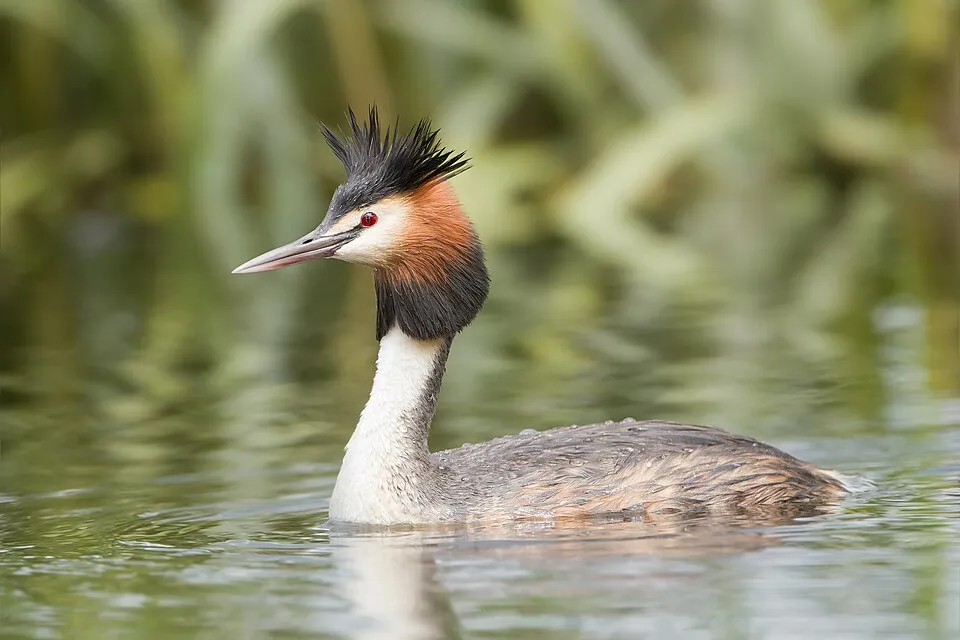
Photo: JJ Harrison · CC BY-SA 3.0 Wetland
Great crested grebe
Podiceps cristatus
A long-necked water bird with a white neck and a dagger-like bill. In winter it loses most of its crest and chestnut ruff and looks much whiter.
In autumn and winter it gathers on reservoirs, lakes and calm coasts. It dives and disappears for long seconds, coming up far from where it went in.
-
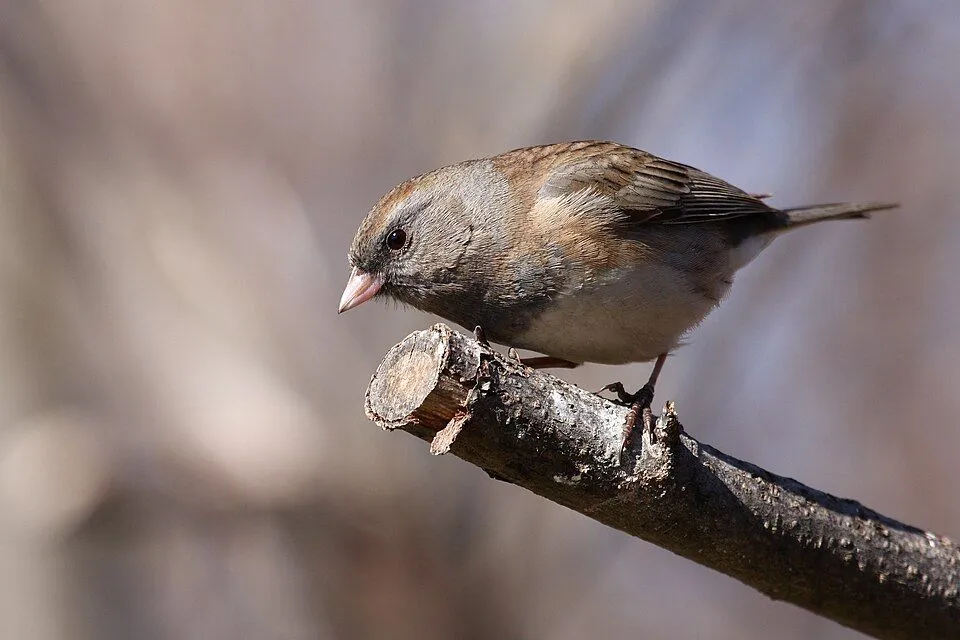
Photo: Cephas · CC BY-SA 3.0 Garden · Woodland
Dark-eyed junco
Junco hyemalis
A slate-grey sparrow with a white belly and a pink bill. In flight it flashes the white feathers on the sides of its tail.
In the United States it's called the "snowbird": in the center and south it arrives in autumn and stays all winter. It feeds on the ground, under the feeders.
-
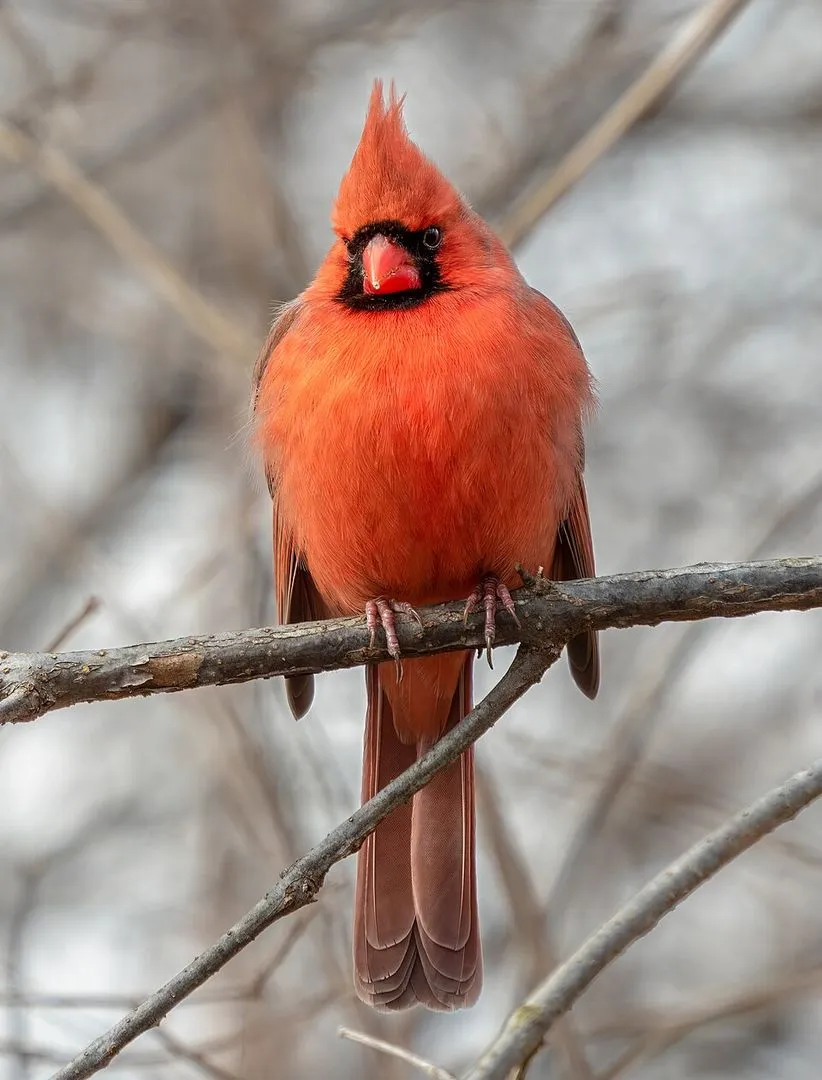
Photo: Rhododendrites · CC BY-SA 4.0 Garden · Park
Northern cardinal
Cardinalis cardinalis
The male is all red, with a crest and a black mask; the female is brown with touches of red. Both have a thick orange bill.
It doesn't migrate, and in winter, with the trees bare, it's easier to see than ever. It loves sunflower seeds.
-
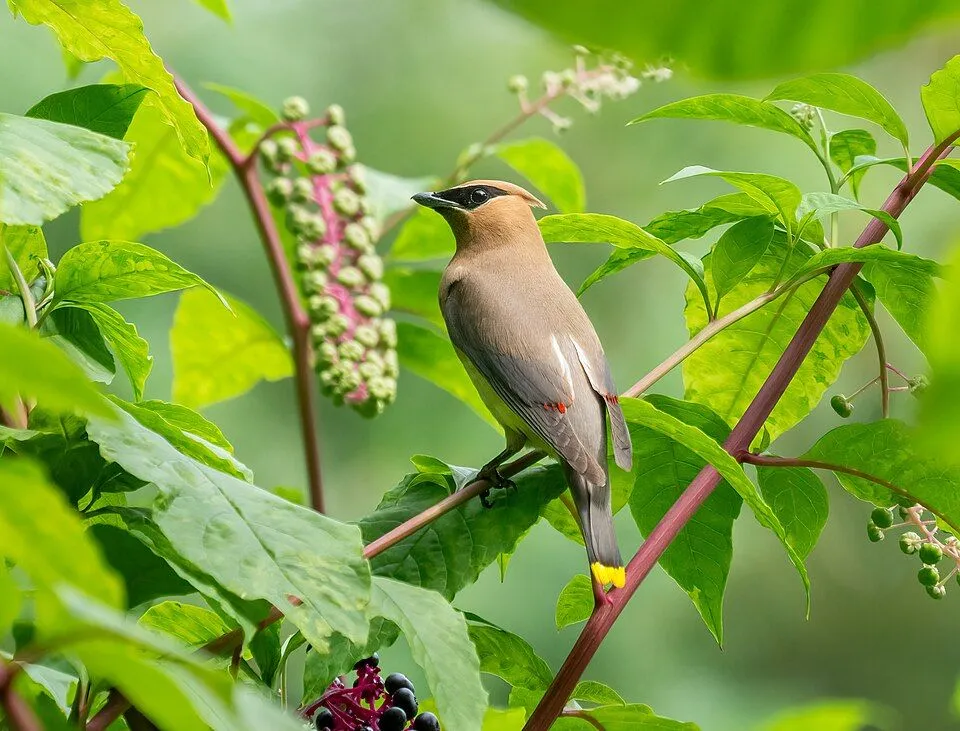
Photo: Rhododendrites · CC BY-SA 4.0 Garden · Park
Cedar waxwing
Bombycilla cedrorum
Silky brown with a crest, a black mask, a yellow tail tip and red, wax-like drops on the wings.
In autumn and winter it moves in flocks you can hear by their high, thin whistles, going from tree to tree after fruit.
-
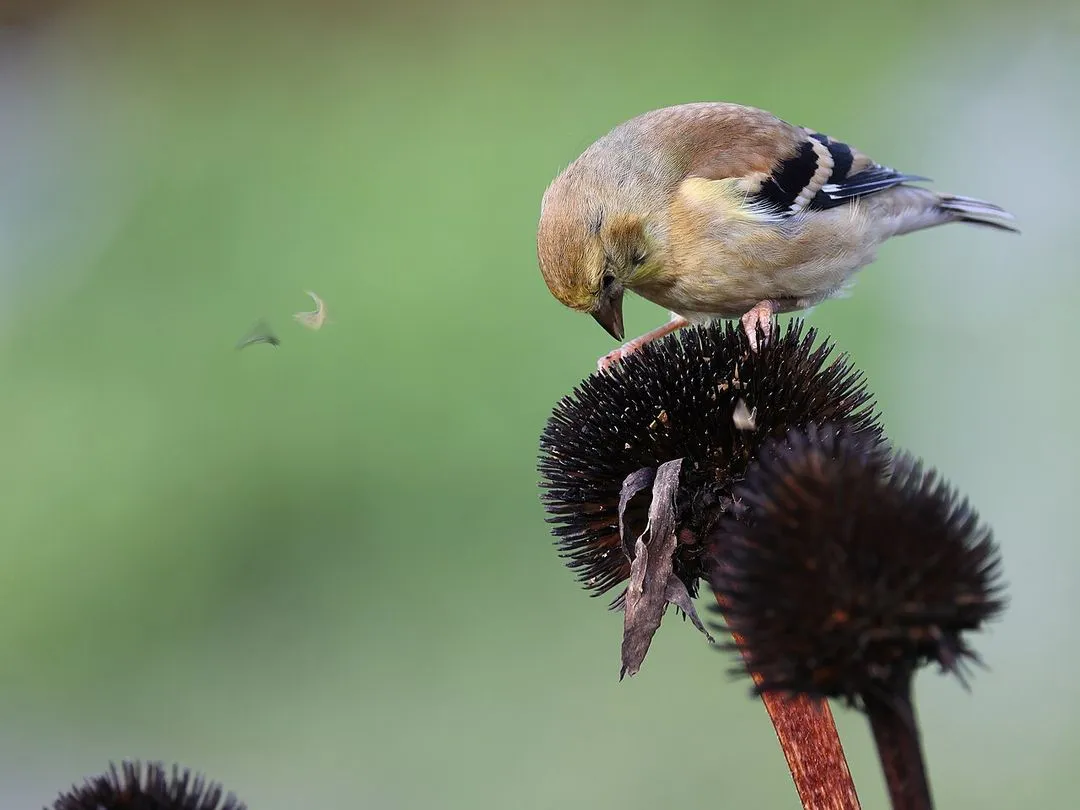
Photo: Cephas · CC BY-SA 4.0 Garden · Fields
American goldfinch
Spinus tristis
In winter the male loses its bright yellow and turns olive-brown, with black wings and white bars.
In November it's easy not to recognize it. It comes to feeders with sunflower and nyjer seeds.
-
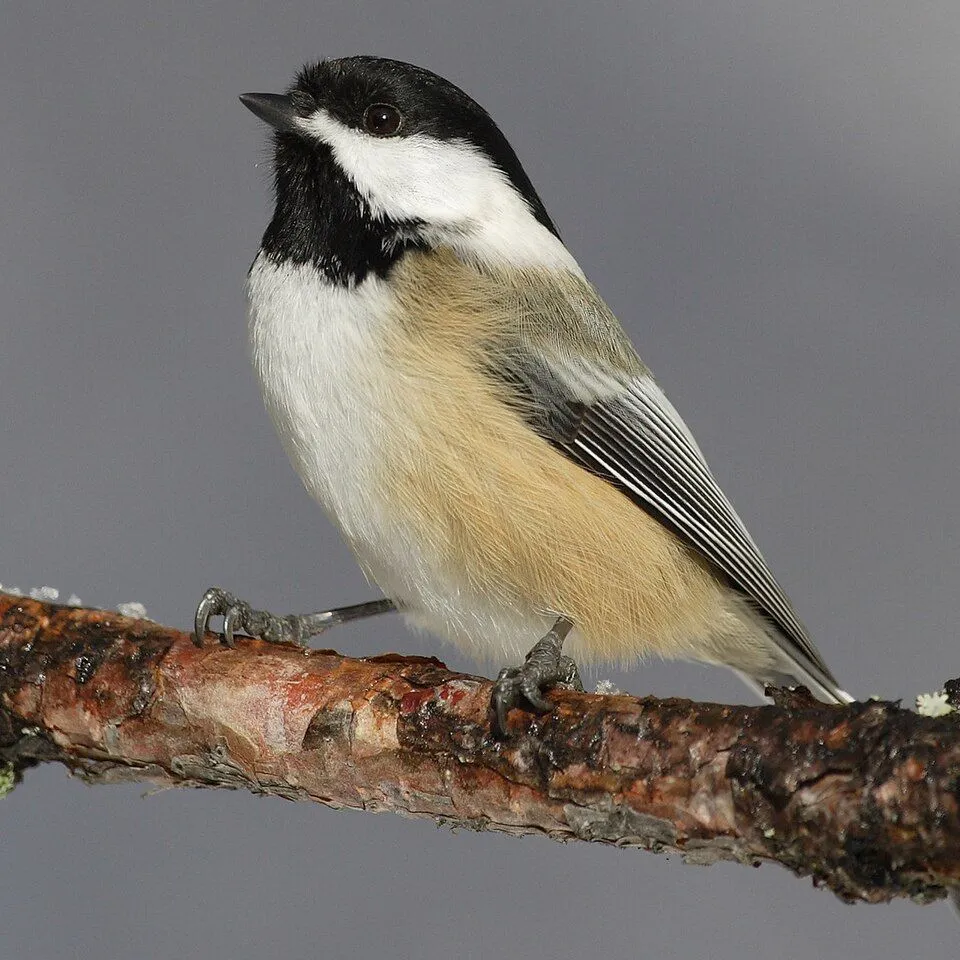
Photo: Mdf · CC BY-SA 3.0 Garden · Woodland
Black-capped chickadee
Poecile atricapillus
Small, with a black cap and bib and white cheeks. Its call sounds like its name: "chick-a-dee-dee-dee".
In autumn it hides seeds in cracks and bark, and in winter it remembers where it left them. It's very tame at feeders.


Which one is in front of you?
Take a photo or let Ornavia listen to its song. It shows you the five birds that look and sound most alike, each with its photo, so you can compare and decide. It works offline, even out in the field.
Ornavia helps you get to know birds, but it can make mistakes. Always watch birds without disturbing them, especially near their nests, and don't call them with recordings.